Storm Water Management
MS4 Storm Water Sewer System
What is Stormwater?
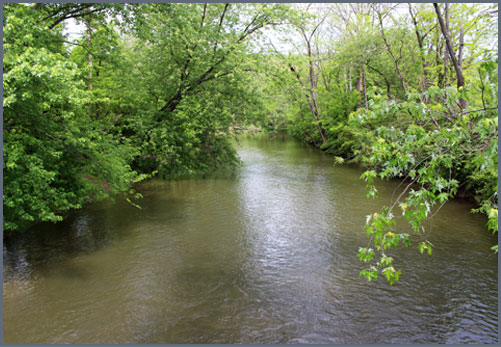
Rain or snow that falls either soaks into the ground to become groundwater, evaporates, is used to help plants grow, or flows off over the land surface. The overland flow is called runoff or stormwater. This water eventually flows into streams, rivers, or lakes.
As stormwater flows over the land it washes along or dissolves some of the materials in its path. Vegetation growing on surfaces can slow the flow down, filter out sediments, and can break down or trap pollutants in the root zone. If there is no vegetation where the stormwater must flow, such as where there are buildings, pavement covered roads, parking areas, and walkways, the volume and speed of stormwater runoff increases since the stormwater cannot soak in. When there are no plants that need the water to grow, the hard surfaces present little resistance to flow. This is why stormwater must be managed when we develop the surface of the land.
Stormwater Management
To prevent flooding and protect property in developed areas, stormwater drainage systems are used to collect stormwater runoff and carry it away from roadways and structures to a discharge point. Stormwater drainage systems consist of curbs, gutters, storm drains, channels, ditches, pipes, and culverts. These types of systems do not treat stormwater. Most of these discharge directly into streams, rivers, and lakes.
Issues With Stormwater
Stormwater becomes a transportation system for pollutants. Soil that erodes from a construction site, cigarette butts and other litter from parking lots, antifreeze and oil dripped from cars, fertilizers and pesticides from turf management, and grit and salt left from de-icing operations on roadways can be deposited untreated into our waterways. Water can contain and transport sediments, metals (such as copper, cadmium, chromium, lead, and zinc), nutrients (such as nitrates, phosphates, and ammonia), salt, petroleum products and coliform bacteria among other materials. This is why stormwater is such a significant contributor to water pollution. Polluted stormwater runoff that discharges in urbanized areas cause serious water-quality problems. Polluted stormwater runoff that discharges in urbanized areas can cause serious water-quality problems. Polluted runoff to waterbodies can affect aquatic plant and animal life in streams and lakes, reduce recreational activities such as boating and swimming, and increase flooding conditions.
What Blair Township Is Doing
To comply with Federal and State stormwater permit requirements, Blair Township must not only manage stormwater by collecting and conveying away from roads and buildings, but now must also reduce the amount of pollution that reaches the streams and rivers in the Township and find ways to manage the additional volume of runoff that results when surfaces are changed from vegetation to pavement. New stormwater management techniques involve creating more natural facilities to handle the runoff. These stormwater best management practices that are planted with native vegetation, like rain gardens and swales, mimic the way nature dealt with stormwater before human development of land surfaces.
What You Can Do
Even homeowners can do things at their home and property to manage stormwater. By installing a rain barrel to collect roof water, planting a rain garden, or even by not cutting your lawn so short, you can help manage the stormwater that runs off your property. For more information about what government, businesses, and homeowners in Blair County can do to manage stormwater, please visit the Blair County Water website.
The Pennsylvania Department of Environmental Protection has an abundance of information on their website regarding stormwater management.
Visit Stormwater PA to learn more about the MS4 Program.
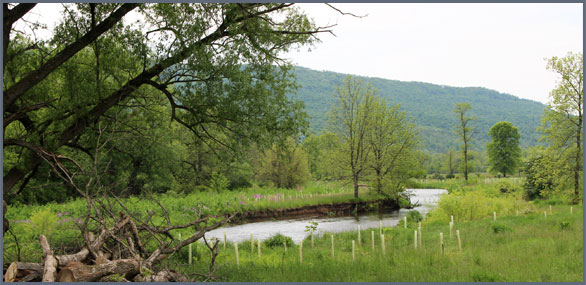
Additional Helpful Education Information and Handouts are listed below:
Stormwater management in the Township is a significant focus. Pennsylvania State regulations require the Townships to provide educational information to the public on stormwater management and ways to control our stormwater to lessen the impact on our streams and rivers.
Blair Township cooperates with Blair County Conservation District for the review of development plans, public education, outreach and enforcement. The Conservation District website gives an overview of stormwater management. The link is: blairconservationdistrict.org/stormwater-management-program/
The Pennsylvania Department of Environmental Protection has a website with a variety of information on stormwater management: http://www.dep.pa.gov/Business/Water/CleanWater/StormwaterMgmt/Pages/Be-Stormwater-Smart-.aspx .